 Coalition of BC Businesses
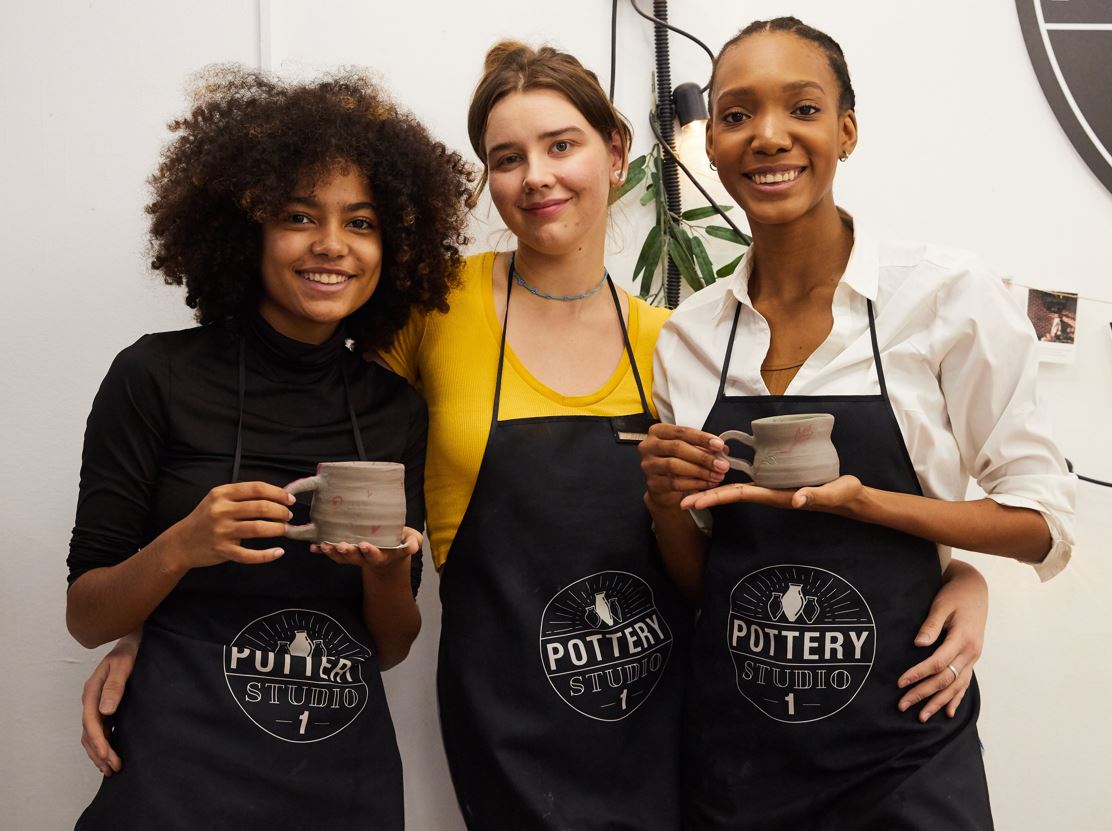
Working with clay is a wonderful way to explore creativity, learn practical skills, and enjoy a break from everyday routines. From shaping a simple dish to decorating a small ceramic ornament, pottery allows you to turn basic materials into something personal and meaningful. You do not need previous artistic experience to get started. With a little patience and guidance, even your first project can become an enjoyable introduction to the world of ceramics.
For anyone interested in trying this creative activity, beginner pottery classes Austin offer an accessible way to learn essential clay techniques in a supportive studio environment. These sessions can introduce you to hand-building, basic shaping methods, and decorative painting while helping you become comfortable with pottery tools and materials. Whether you want to discover a new hobby or enjoy a creative outing with friends, beginner-friendly clay lessons provide an opportunity to learn at your own pace.
Discover the Basics of Hand-Building
Hand-building is a popular starting point for beginners because it allows you to shape clay without using a pottery wheel. Instead, you work directly with the material using your hands and simple tools.
One common technique is pinch pottery, which involves gently pressing clay between your fingers to form small bowls or vessels. Another method is coiling, where rolled strands of clay are joined together to create taller or more detailed shapes.
Slab building is also useful for beginners. It involves flattening clay into sheets and joining them to make items such as trays, plates, and decorative containers.
During a guided lesson, an instructor can demonstrate these methods and explain how to join, smooth, and strengthen your creation. Starting with simple shapes helps you develop confidence before moving on to more detailed projects.
Learn to Work With Clay Comfortably
Clay can feel different from other art materials because it responds directly to pressure, moisture, and movement. Learning how to handle it properly makes the creative process easier.
You may discover how to knead clay, smooth rough edges, and keep joined sections secure. Using the right amount of moisture is also important. Too much water can make clay difficult to control, while clay that becomes too dry may crack during shaping.
Beginners should take their time and follow demonstrations carefully. Small adjustments can make a significant difference in the appearance and stability of a finished piece.
The goal is not perfection during your first session. Instead, focus on understanding the material and enjoying the opportunity to experiment.
Explore Ceramic Painting and Decoration
Once a clay piece has been shaped, decoration offers another way to express your personal style. Simple patterns, colorful designs, and carefully chosen details can transform an ordinary object into something distinctive.
Depending on the workshop, you may learn basic painting techniques, how to plan a design, or how to combine colors effectively. You could decorate a small dish, create a patterned ornament, or add visual details to a ceramic keepsake.
It is important to understand that ceramic painting methods vary. Some studios offer painting on already-fired pottery, while others introduce underglazes or other materials that require kiln firing. Ask your instructor which materials are suitable for your project and whether the finished piece will be food-safe.
What Should Beginners Expect During a Lesson?
Most introductory workshops begin with a short demonstration before participants start creating their own projects. Instructors explain the materials, show essential techniques, and provide guidance as needed.
Many studios supply clay and basic tools, but it is worth checking what the class fee includes. Comfortable clothing that can get messy is a sensible choice, and short nails may make detailed shaping easier.
You should also ask whether drying, firing, glazing, or painting supplies are included. Some pieces require additional studio time before they are ready to take home.
Enjoy a Creative Experience in Austin
Beginner-friendly clay lessons offer more than an opportunity to make decorative objects. They encourage patience, experimentation, and the satisfaction of learning a new skill with your hands.
Whether you prefer shaping clay or adding colorful designs, a pottery workshop in Austin can help you explore your creativity in a relaxed setting. Choose a class that matches your interests, listen to your instructor, and allow yourself to learn through practice. Your first handmade creation could inspire many more enjoyable pottery projects. Trying the Potter's Wheel in Austin: A Guide to Your First Class
#CeramicsClass #AustinTX