 Coalition of BC Businesses
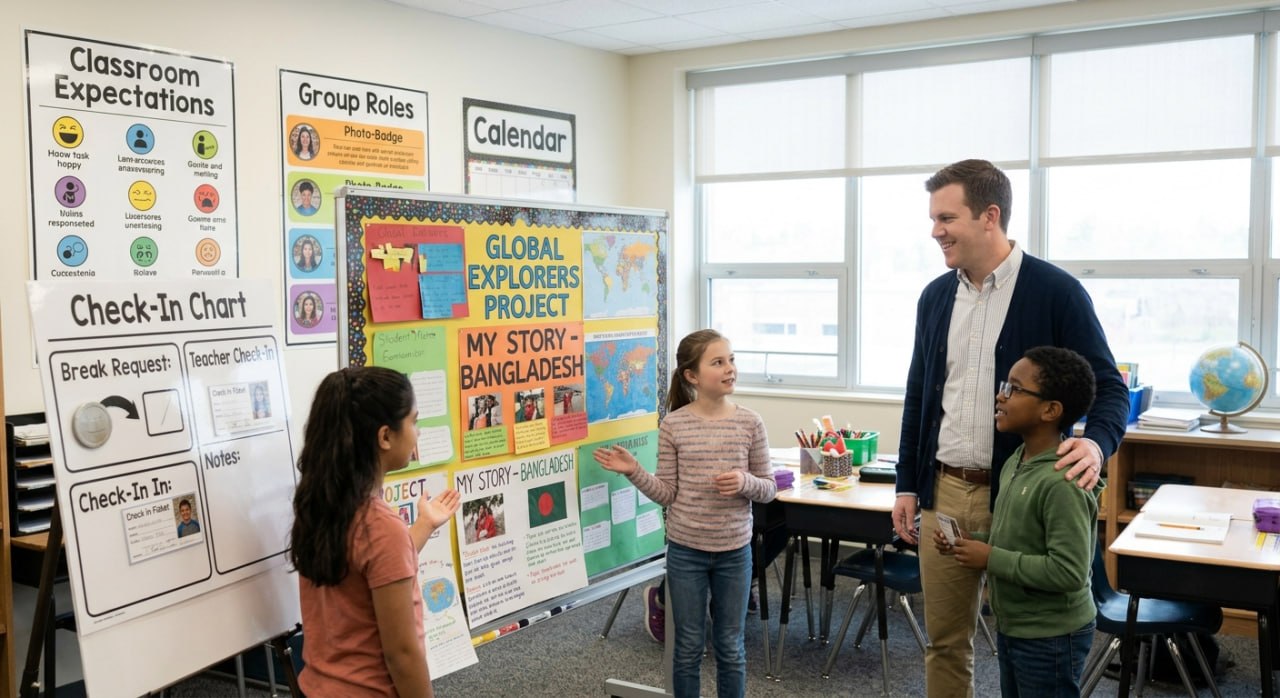
Managing a classroom can be one of the most rewarding yet challenging responsibilities for a teacher. Every classroom includes students with different personalities, learning abilities, emotional needs, and behavioral patterns. While some students follow instructions easily, others may struggle with concentration, participation, or following classroom rules. These challenges can affect the learning environment if they are not handled appropriately. Understanding and applying effective classroom management strategies for difficult students can help teachers create a positive, respectful, and productive atmosphere where every student has an opportunity to succeed.
1. Understand the Reasons Behind Student Behavior
Before responding to challenging behavior, teachers should try to understand why it occurs. A student who frequently interrupts lessons or refuses to complete assignments may be experiencing frustration, academic difficulties, stress, or a lack of confidence. Sometimes, students act out because they want attention or do not know how to express their feelings.
Instead of immediately punishing the student, teachers should observe behavioral patterns and identify possible triggers. Having a private and respectful conversation can also help uncover the underlying problem. When teachers understand the reasons behind certain behaviors, they can choose more effective ways to address them.
2. Establish Clear Classroom Expectations
Students are more likely to behave appropriately when they understand what is expected of them. Teachers should establish simple, clear, and consistent classroom rules at the beginning of the school year. These expectations might include listening when someone is speaking, respecting classmates, completing assignments, and following instructions.
It is also helpful to involve students in creating classroom rules. When students participate in the process, they may feel more responsible for maintaining a positive learning environment. Teachers should explain the consequences of breaking rules and apply them fairly to everyone.
3. Build Positive Relationships With Students
Strong teacher-student relationships play an important role in managing difficult behavior. Students are generally more willing to cooperate when they feel respected, understood, and supported by their teachers.
Teachers can build trust by learning students' names, showing interest in their hobbies, listening to their concerns, and recognizing their individual strengths. A friendly greeting at the beginning of the day or a few encouraging words can make a meaningful difference.
It is equally important to avoid embarrassing students in front of their classmates. Correcting behavior privately whenever possible helps protect their confidence and strengthens mutual respect.
4. Use Positive Reinforcement
Positive reinforcement encourages students to repeat appropriate behaviors. Rather than focusing entirely on mistakes, teachers should recognize and appreciate positive actions.
For example, teachers can praise students for completing assignments, following instructions, helping classmates, or participating respectfully in discussions. Simple rewards, such as recognition certificates, classroom privileges, or positive feedback, can also motivate students.
However, rewards should not become the only reason students behave well. Teachers should gradually encourage internal motivation by helping students understand the importance of responsibility, cooperation, and self-discipline.
5. Keep Students Engaged in Learning
Boredom and lack of participation can contribute to disruptive classroom behavior. Teachers can reduce these challenges by making lessons interactive, interesting, and appropriate for different learning styles.
Group activities, educational games, classroom discussions, practical demonstrations, and creative assignments can encourage students to participate actively. Breaking lengthy lessons into smaller sections may also help students maintain concentration.
Giving students meaningful responsibilities, such as distributing materials or organizing group activities, can further improve their sense of involvement and belonging.
6. Respond to Challenging Behavior Calmly
When students misbehave, teachers should avoid reacting with anger or frustration. A calm and professional response helps prevent situations from escalating. Speaking in a steady voice, providing clear instructions, and allowing students time to respond can be more effective than shouting or arguing.
Teachers should address the behavior rather than attack the student's personality. For instance, saying, "Please wait until your classmate finishes speaking," is more constructive than calling someone disrespectful.
Consistency is also essential. Students need to understand that classroom expectations apply every day, regardless of the situation.
7. Communicate With Parents and Guardians
Sometimes, classroom challenges require cooperation beyond the school environment. Communicating with parents or guardians can help teachers understand a student's needs and identify practical solutions.
Instead of contacting families only when problems occur, teachers should also share positive updates about student progress. Maintaining respectful communication encourages parents to become active partners in supporting their children's education.
Conclusion
Managing difficult classroom behavior requires patience, consistency, understanding, and effective communication. Teachers should focus on identifying the causes of challenging behavior, establishing clear expectations, building positive relationships, and encouraging responsible choices. By creating a supportive learning environment, educators can help students develop better social skills, improve their academic performance, and become more confident learners. Ultimately, successful classroom management is not simply about controlling behavior; it is about guiding students toward positive growth and lifelong learning.