 Coalition of BC Businesses
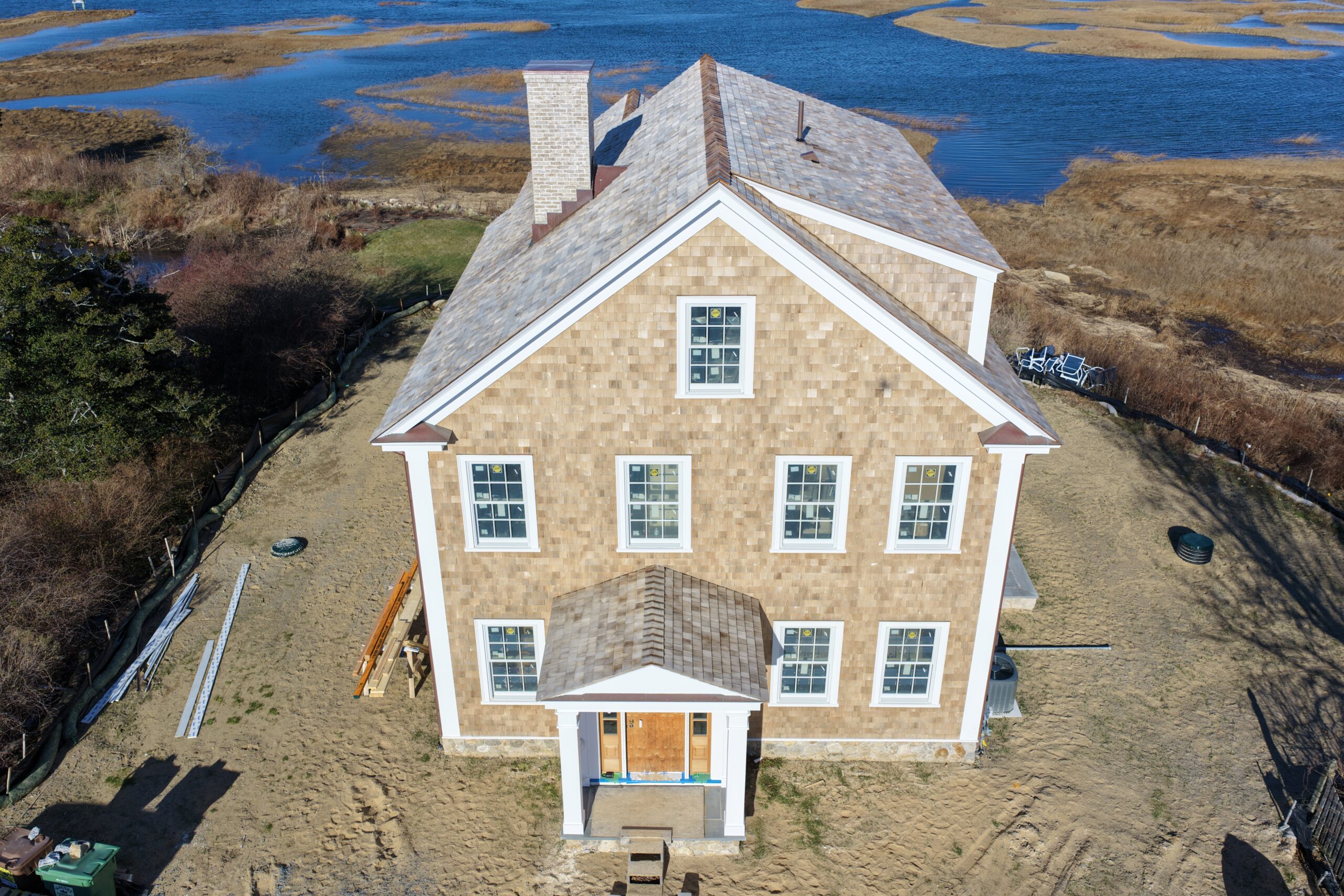
Cape Cod homes are known for their timeless charm, coastal resilience, and classic architectural style. However, the salty air, humidity, and seasonal storms in coastal regions can take a toll on exterior surfaces over time. This is where proper exterior protection becomes essential. Homeowners often look for reliable solutions that combine durability with aesthetic appeal, and one of the most effective upgrades is professional siding work. A well-planned siding installation not only improves curb appeal but also strengthens the home’s defense against harsh weather conditions. When considering exterior renovation options, many homeowners begin researching siding installation to understand the best materials, techniques, and long-term benefits available for their property.
Siding installation plays a key role in preserving the structural integrity of Cape Cod homes while also enhancing energy efficiency and visual appeal. Whether you are upgrading old, damaged panels or building a new exterior layer from scratch, the process requires careful planning and expert execution. Choosing the right siding material—such as vinyl, fiber cement, or engineered wood—can significantly impact performance in coastal environments. Homeowners often prioritize low maintenance and moisture resistance, which makes modern siding options particularly attractive for this region.
One of the major benefits of siding installation is protection against moisture intrusion. Cape Cod weather can be unpredictable, with heavy rains and strong winds. Without proper siding, water can seep into walls, leading to mold, rot, and structural weakening. High-quality siding acts as a protective barrier, ensuring the home remains dry and secure throughout the year. Additionally, updated siding improves insulation, helping regulate indoor temperatures and potentially lowering energy bills.
The siding installation process typically begins with a detailed inspection of the home’s exterior. Contractors assess existing damage, remove old materials, and prepare the surface for new installation. Proper preparation is crucial because even minor imperfections can affect the final result. Next, a moisture barrier or house wrap is installed to provide an additional layer of protection. After that, siding panels are carefully measured, cut, and secured in place to ensure a seamless and weather-tight finish. Attention to detail during installation is essential for long-lasting performance.
Homeowners often ask: “How long does siding installation take?” The answer depends on the size of the home and the type of material used. On average, a typical residential project may take anywhere from a few days to two weeks. Weather conditions and structural repairs can also influence the timeline. Another common question is: “Which siding material is best for coastal homes?” Fiber cement and high-grade vinyl are often recommended because they resist moisture, salt exposure, and temperature fluctuations effectively.
Maintenance is another important consideration. Fortunately, modern siding requires minimal upkeep compared to traditional exterior finishes. Occasional cleaning and routine inspections are usually enough to maintain appearance and performance. This makes siding installation a cost-effective long-term investment for homeowners who want both beauty and durability without constant maintenance demands.
In conclusion, siding installation is one of the most valuable improvements for Cape Cod homes. It enhances protection, boosts energy efficiency, and elevates the overall appearance of the property. With the right materials and professional installation, homeowners can ensure their homes remain strong and visually appealing for years to come, even in challenging coastal conditions. Cedar Roof That Brings Lasting Beauty To Cape Cod Homes
#SidingInstallation #RoofingContractor #CapeCodMA